Meeting point, a creative and culinary hub
Between specialty coffee, art in motion, and conversations that arise without prior planning, this Patagonian space turns pause into a form of community.

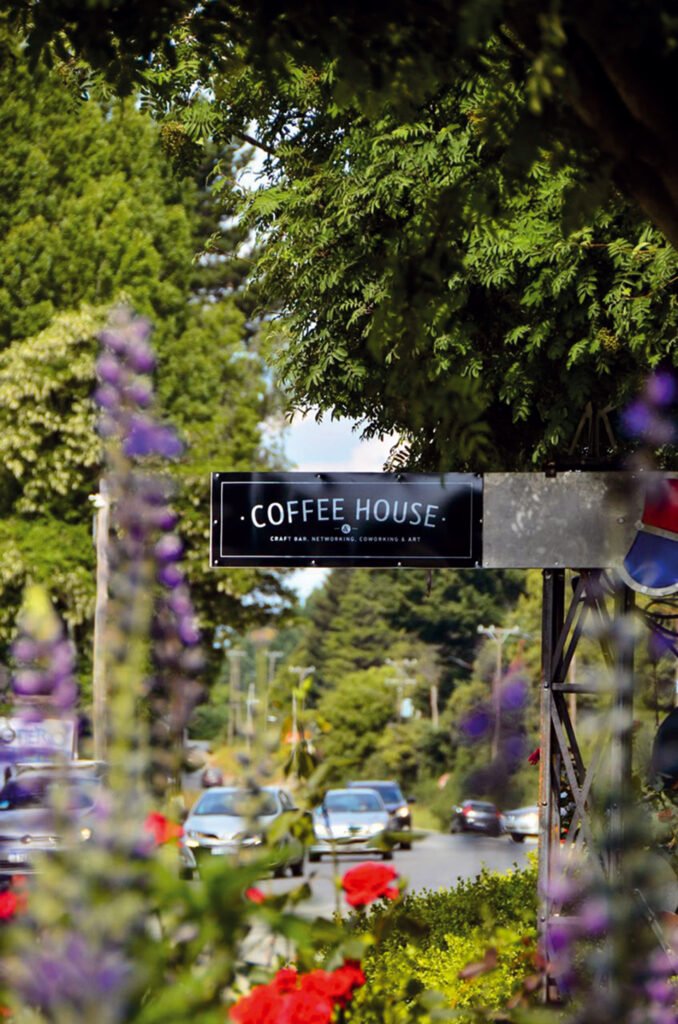
In certain cities, the creative pulse is not announced—it is sensed. It lives in the murmur of shared coffee, in the slanted light falling across a worktable, in the distant sound of the lake as the afternoon air begins to cool. At The Station Patagonia, that pulse finds a home.
It is not merely a restaurant. Nor is it only a coworking space or a cultural center. It is a conscious pause within a city that oscillates between landscape contemplation and the creative intensity of those who inhabit it. Here, slowing down is not a slogan; it is a consequence.
The Station operates as an ecosystem. In dialogue with Estación Araucanía and the gallery La Ridícula Idea, it sustains an agenda that breathes with the rhythm of the city: live music, workshops, wellness gatherings, outdoor activities. Even children find their own territory through proposals where play becomes language and imagination the starting point.
Community here is not an abstract concept. It is a daily practice. Working in this space implies a different relationship with time. Shared tables, spacious lounges, and meeting rooms do not impose formality; they invite you to stay.
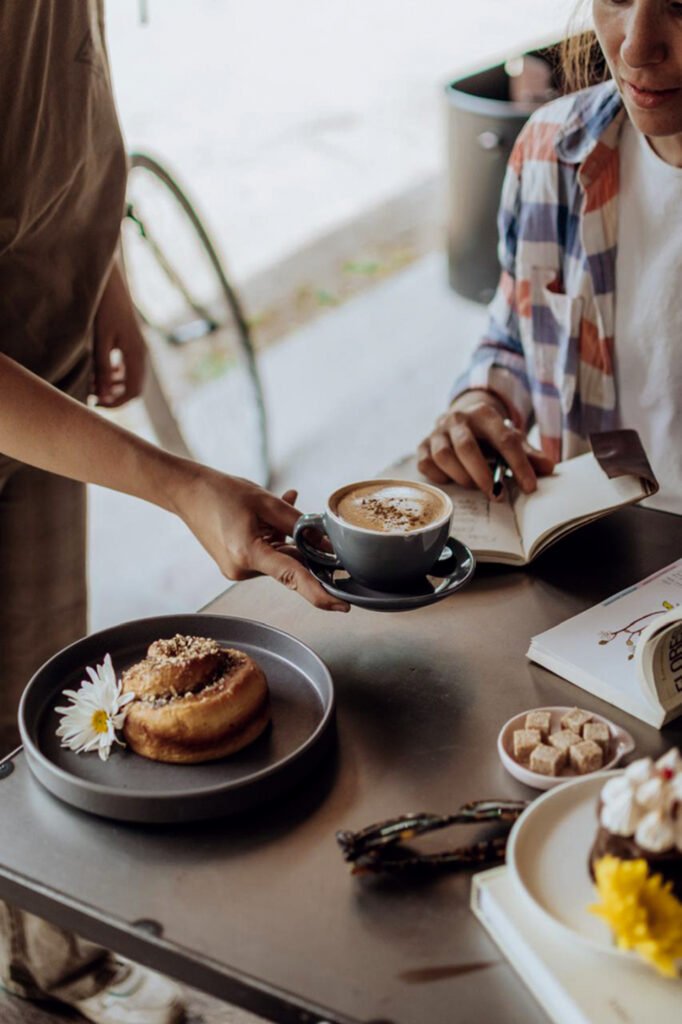
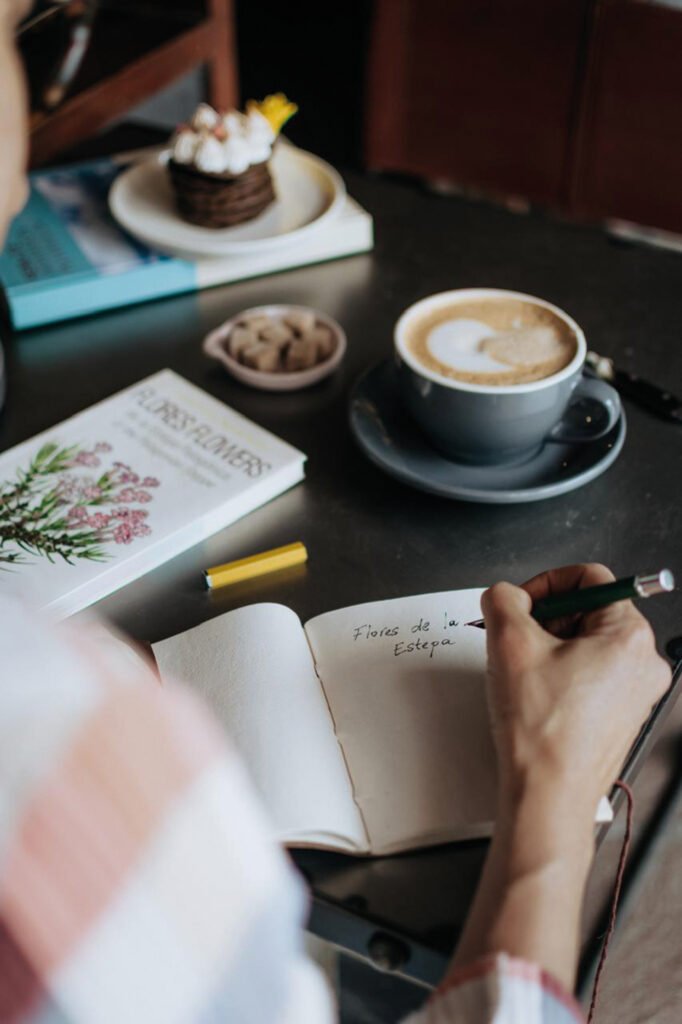
The kitchen acts as a common language. Mornings begin with specialty coffee from local roasters and artisanal pastries. Some write, some converse, some simply observe. Coffee holds these scenes together.
At midday, the menu unfolds with sandwiches, salads, pastas, burgers, and slow-fermented pizzas—dishes that balance technique and simplicity, designed to accompany rather than dominate. The cuisine does not compete with the cultural experience; it articulates it.
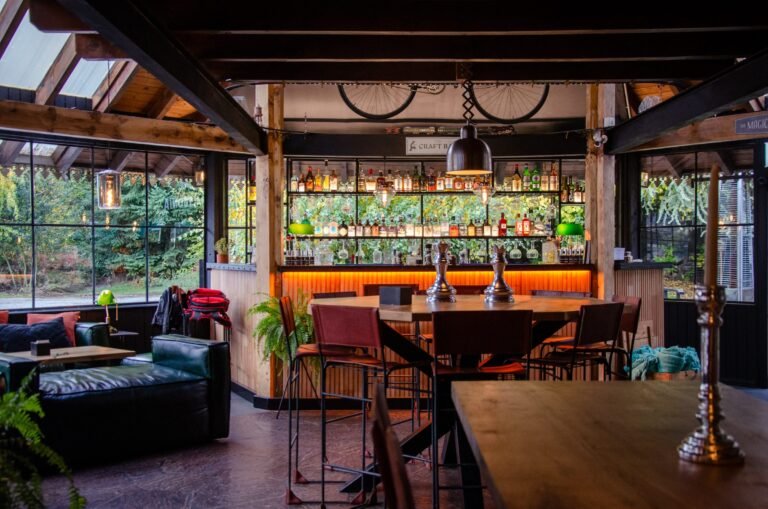
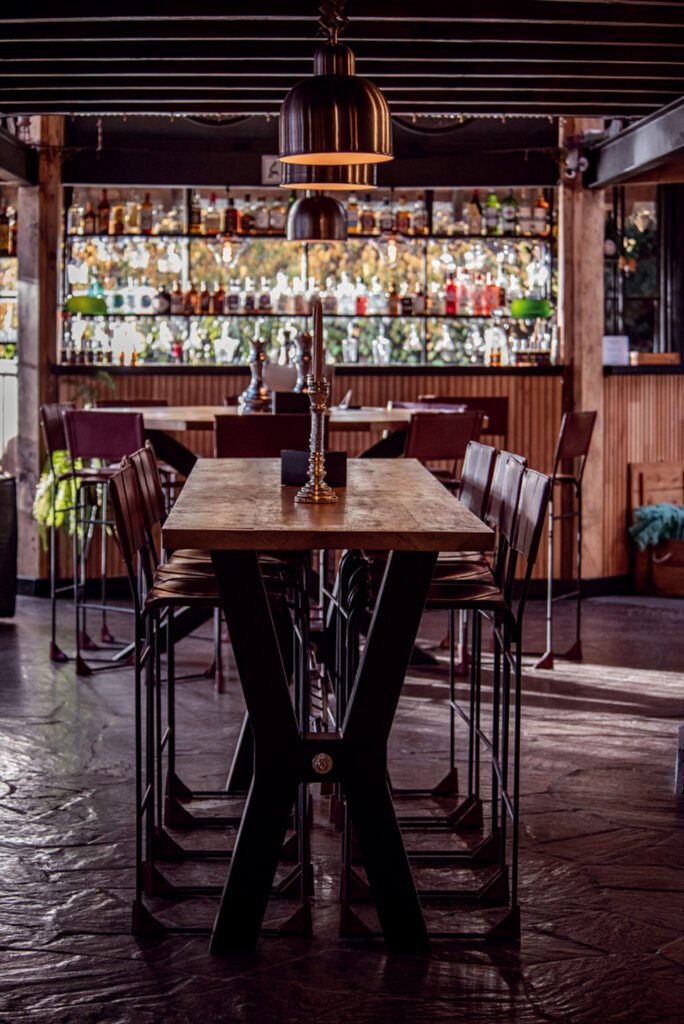
As evening falls, the Craft Bar shifts the energy. Signature cocktails converse with Patagonian wines, craft beers, and artisanal vermouths that express the character of the territory. The space transforms without losing its identity, as if understanding that each hour demands a different frequency.
The design introduces a quiet metaphor: travel. Inspired by the railway universe and 1950s aesthetics, it proposes movement as a natural state. Furniture and objects evoke stations and journeys. A scale model train that circles the bar at certain moments adds a playful gesture, avoiding solemnity and reminding us that creating can also be a game.
In a world that fragments work, leisure, and culture, everything here coexists within the same territory. One produces, celebrates, imagines, and pauses. Upon leaving, the feeling is not that of having visited a restaurant or a coworking space, but of having passed through an inner station—a point where time shifts rhythm and creativity ceases to be abstract, becoming a shared experience.