Travel as a mirror
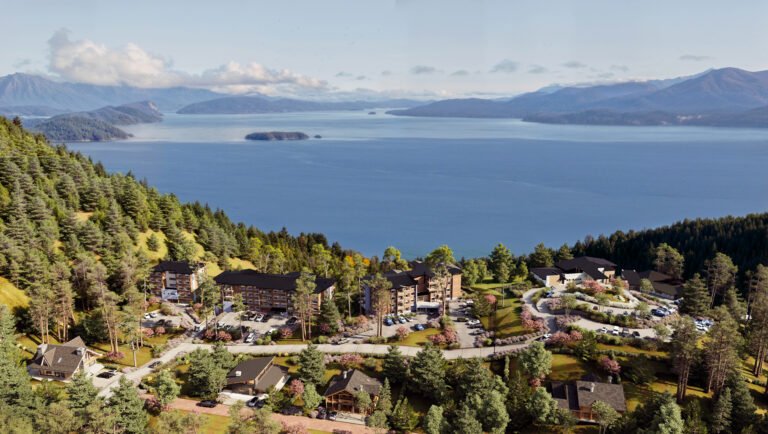
Between Argentina and Chile, lakes, forests, and mountains shape more than a landscape. The B Route invites you to experience Patagonia through pause, coherence, and a renewed relationship with the natural world.
Patagonia argentina y chilena

 Esencia Patagonia
There are journeys that are planned, and others that are felt before departure. Something about Patagonia—perhaps its scale or its silence—arrives like an intimate calling. It does not promise spectacle. It does not need exaggeration. It offers something else: presence. And in that invitation to truly be there, The B Route begins.
It is not an itinerary in the traditional sense. It is not about adding destinations or ticking names off a map. It is an experience conceived by Esencia Patagonia, grounded in a simple yet radical conviction: travel can be a way of living more consciously.
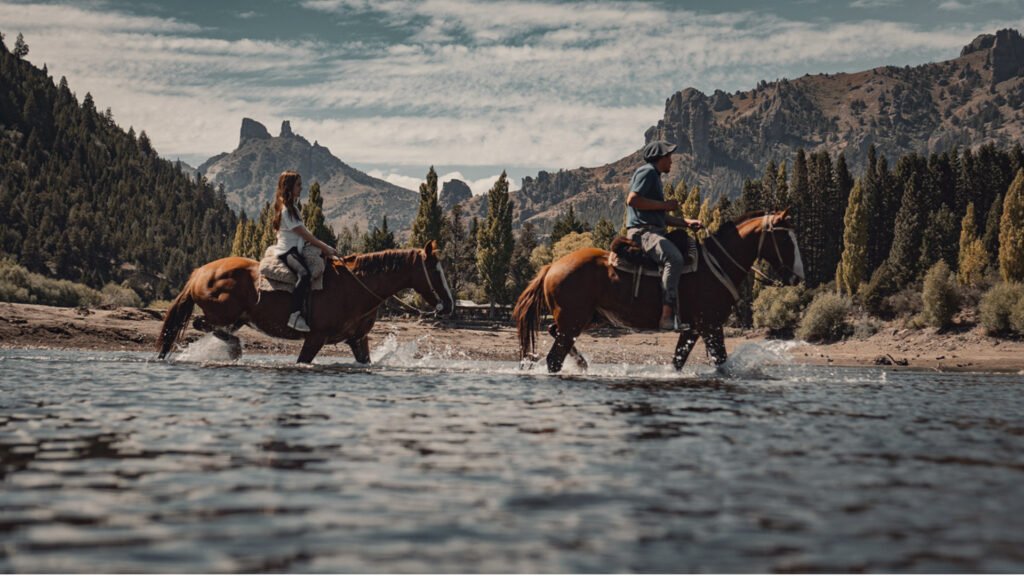
The Andes connect Argentina and Chile in a continuity that blurs borders. Lakes mirror shifting skies. Native forests stretch as if guarding something ancestral. The Route of the Seven Lakes unfolds with a beauty that requires no filter. There are pauses. Subtle detours that shift perception. There is time. In Villa La Angostura, the day may begin with a silent walk before breakfast. In Bariloche, conversation lingers around a table where local produce is not a trend but identity. In Puerto Varas, the lake seems to suspend time. The experience does not accumulate moments; it deepens them. The historic Andean Crossing ceases to be transportation and becomes an inner passage. Water, mountains, and the unhurried rhythm of the journey create an almost meditative state. No one names it as such. It simply happens.
The B Route is born under B Corp standards, yet that condition is not presented as a selling point; it is felt in the coherence. In the careful selection of accommodations committed to their environment and providers who operate with a local, close-knit logic. In the decision to allocate part of its revenue to the Andean Patagonian Naturalist Society to support the conservation of the Andean condor.
Here, luxury is not measured in excess, but in intention. It is a luxury to have breakfast without watching the clock. A luxury to lose one’s gaze in the water. The luxury of listening to the forest and its sounds. A luxury to speak with those who inhabit the land and understand that we are not external visitors, but momentary participants in a greater web.

There comes a moment when something quiets. The body slows. Attention sharpens. The surroundings cease to be a backdrop. The journey stops being an external experience and becomes a mirror. Patagonia does not change for those who visit. It remains vast, silent, intact in its scale. What changes is the way it is inhabited, the way it is traversed. And in that subtle, almost imperceptible transformation lies the true purpose.
And when the return comes—because it always does—what remains is not only images. It is another way of being. A different way of inhabiting time. Of looking at the landscape. Of listening inward. Patagonia remains where it always was. Something, however, is no longer the same.